Clear naming standards in software development significantly enhance code readability, maintainability, and overall quality. Consistent naming reduces cognitive load, facilitates collaboration, and lowers long-term maintenance costs. Ignoring these standards leads to confusion, longer development times, and increased technical debt. Investing in robust naming conventions is essential for professional-grade software development.
Tag: dotNetDave
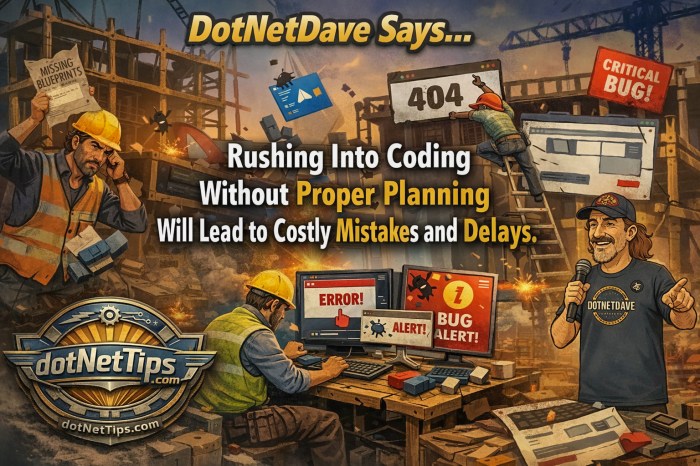
dotNetDave Says… Rushing into Coding Without Proper Planning Will Lead to Costly Mistakes and Delays
Effective software projects require thorough planning and architecture before coding begins. Skipping these steps often leads to costly mistakes, delays, and technical debt. A strong foundation improves system maintainability and user satisfaction. Managers should focus on results over constant activity; proper planning enhances delivery speed and quality, fostering happier users.
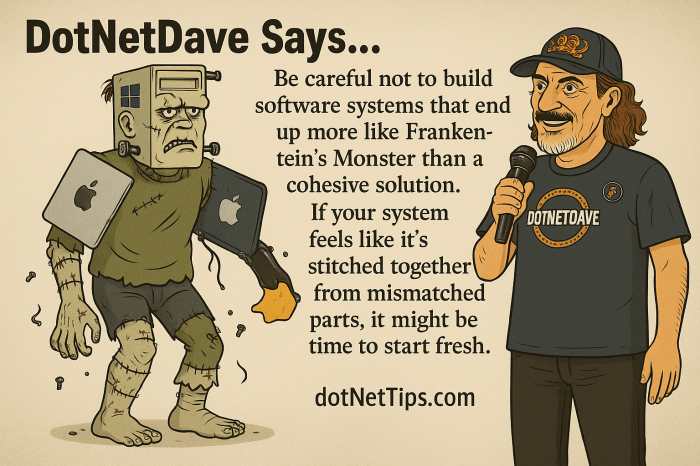
dotNetDave Says… Don’t Build Frankenstein’s Monster Applications!
The article emphasizes the dangers of creating disjointed software systems, likening them to Frankenstein's Monster. It warns against overengineering and using mismatched technologies, which can lead to project failures. The author shares personal insights and experiences, urging teams to prioritize coherence and maintainability in their software architecture.
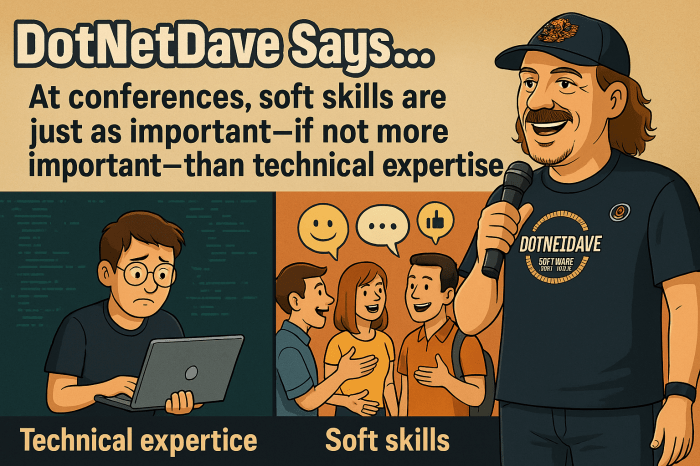
dotNetDave Says… Soft Skills at Conferences Matter—A Lot!
The author reflects on two decades of speaking engagements, emphasizing the importance of soft skills in software engineering over mere technical knowledge. They argue that communication, empathy, and collaboration are crucial for career growth. While major conferences often overlook these topics, community-driven events showcase their value, urging attendees to advocate for more sessions on soft skills.
dotNetDave Says… Avoid Going Across the Wire Until Necessary!
Network calls create significant performance bottlenecks in modern applications due to latency and unpredictability. Developers should prioritize chunky communication and batch requests to improve efficiency, as demonstrated through API development experiences. Monitoring usage and enforcing standards can enhance performance, emphasizing that optimal design must consider the entire stack, including network performance.
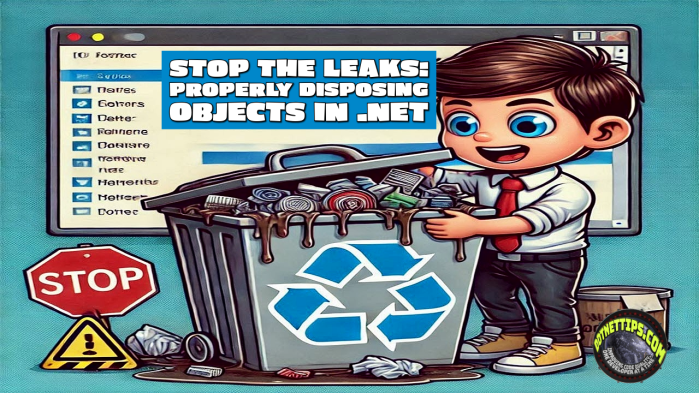
Stop the Leaks: Properly Disposing Objects in .NET
Improper disposal of objects in .NET projects can lead to severe memory leaks, causing performance issues and crashes. A case study revealed a company spent over $25,000 to resolve these issues. Recommended practices include using IDisposableAnalyzers and custom extension methods like TryDispose() and DisposeFields() to simplify memory management and prevent problems.
dotNetDave Says… Taking Care of Technical Debt
Many development teams face significant technical debt that accumulates over time, often ignored until it causes major issues. This debt manifests as outdated packages, long build times, and numerous coding violations. Teams should proactively address technical debt rather than allow it to linger, as neglecting it can lead to severe, costly consequences.
dotNetDave Says… If You Don’t Keep Up with Technology, Your Apps Will Be Stuck in the Past!
The software industry evolves daily, making continuous learning essential for all professionals. Falling behind can hinder team performance, leading to outdated and maintenance-challenged code, shrinking career opportunities, and wasted resources. A specific example illustrates the detrimental effects of obsolete technology and poor practices. Staying updated is critical for personal and product success.
dotNetDave Says… Teams Spend Too much Time Protecting Their “Silos”!
Efficient software delivery requires collaboration across teams, yet many organizations struggle with silos that hinder progress. The author recounts experiences with uncooperative teams, particularly in database and DevOps roles, where barriers to communication led to delays and inefficient processes. Prioritizing teamwork over territorial protection is essential for success.
dotNetDave Says… Fixing Bugs Is Like Playing the Game Whack-A-Mole!
Bugs are an unavoidable part of software engineering, akin to a never-ending Whack-A-Mole game. Proper project architecture, adherence to coding standards, and strict enforcement are critical to minimize defects. Leadership plays a crucial role; when standards are neglected, bugs multiply, leading to delays and engineer burnout.

You must be logged in to post a comment.