In the first article of this series, I shared my view that the benefits of working from home far outweigh the negatives. One of the biggest advantages is increased productivity—without the distractions of “cube land.” In this article, I want to discuss my second biggest benefit: maintaining my health and reducing stress, which has only become more essential throughout my 25+ years in software engineering.
Staying Healthy & Avoiding Stress
When I started working remotely full-time in 2013, my previous employer, Mitchell International in San Diego, had recently moved to an office with a large, open floor plan filled with cubicles. The only people with offices were VPs and above, while even senior engineers like myself were relegated to cubicles. Before the move, I had my own office as a principal software engineer, but now, like everyone else, I was in a low-walled cube.
This setup quickly turned into a health hazard. Communicable illnesses, like the flu, would circulate through the office floor, affecting employee after employee. Parents with school-aged kids, especially those who sat near me (including my boss), were often the primary spreaders. I watched as sickness would start on one side of the floor and inevitably reach my area. The economic impact on the company was considerable—lost productivity, delayed projects, and extra pressure on healthy employees to pick up the slack. I warned management that this open environment would lead to more illness, but my concerns were dismissed. As the VP told me, “You don’t know what you are talking about.”
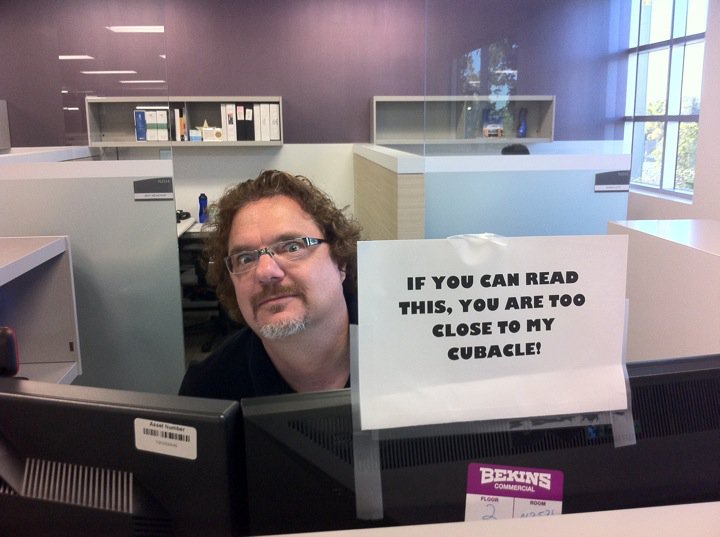
In my private office, it was much easier to avoid these office-wide illnesses. Simply closing my door and following basic hygiene routines kept me healthy. But in a cube, I was directly exposed. To make matters worse, most companies in the U.S. provide limited sick days (around five annually), so employees often felt compelled to come in sick, spreading illness further. I was among those who would sometimes come in when I was mildly ill until one day I learned that salaried employees, unlike hourly employees, technically had unlimited sick time.
From that point on, if I felt even slightly unwell, I stayed home, often still able to work remotely. Unfortunately, this wasn’t an option for hourly employees, so they would come in sick, further spreading illness. I eventually had to ask my manager to send home particularly sick employees—a tough but necessary request to protect my team. Now that I work remotely, I rarely catch illnesses, and even less often than when I had a private office!
Managing Stress
Working remotely has significantly decreased my stress. We know that chronic stress can lead to various health issues, including heart disease, mental health challenges, and even a shorter lifespan. Software engineering is a high-stress field, and adding a stressful Southern California commute to it only made things worse. Now, my commute is simply from my bedroom to my home office.
My commute is from my bedroom to my dining room! Stress can also lead to all sorts of unhealthy habits, like overeating, and abusing alcohol, or drugs. Fewer distractions help a lot too along with listening to music, and taking walks when I want. I can go for a swim if I feel stressed and sometimes even play guitar to alleviate stress. I can even keep out of office politics for the most part! I go to work, not to socialize.
Stress often leads to unhealthy habits like overeating or substance use. Remote work gives me more freedom to incorporate stress-relieving activities into my day. For instance, I can take breaks to go for a walk, swim, or play guitar, and I enjoy the focus I can achieve with fewer distractions and office politics. I work to be productive—not to socialize.
Another way I manage stress is through regular acupuncture and massages every two weeks. I wish these treatments could be like the massages I get in India, where hot oil is sometimes dripped on your head for deep relaxation! I also see a chiropractor regularly to address issues from prolonged computer use, like neck pain and back strain.
These approaches have largely replaced doctor visits. I see my doctor only once a year, mostly to renew prescriptions. Otherwise, I rarely need traditional medical care, preferring preventive methods like eastern medicine to maintain my health.
Getting & Staying Healthy
Remote work has also helped me lose and keep off weight. Since leaving Mitchell, I’ve lost around 150 pounds (68 kilograms) and cooking my meals at home has been a huge part of that journey. I eat gluten-free, which helps me avoid severe digestive reactions that can leave me bedridden. Although I occasionally get “glutened” while traveling for work or photography gigs, home cooking has helped me control my health.
If you’re trying to lose weight, I encourage you to stick with it—it’s hard work, but it’s absolutely worth it! I feel like I’ve reset my metabolism to what it was in my 20s, though that’s just my perception.
Since losing weight and reducing stress, I’ve been able to completely reverse two serious health conditions that would have shortened my life. With the COVID-19 pandemic, avoiding those conditions has kept me healthier and potentially safer. I want to be around for my children and grandchildren for as long as possible. However, the one healthy habit I still struggle with is exercising more regularly—I often forget!
Rethinking Employee Health in Remote Work
I could continue listing the health benefits of working remotely, but I think you get the idea. What surprises me is why more companies don’t embrace remote work for healthier, less-stressed employees. This approach not only reduces healthcare costs but improves productivity and retention. Onboarding a new employee is very costly, while retaining a current one, who’s happier and healthier, costs significantly less. At Mitchell, I estimated that new hires in my department took around six months to reach full productivity—a time and financial investment that makes employee retention well worth it.
Of course, isolation is a downside of remote work, with the potential for depression and loneliness. Staying in touch with coworkers, friends, and family is important, though balancing this can be challenging. I hope that as remote work becomes more widespread, we’ll see more ideas for tackling isolation. The pandemic has made social connection harder, and I look forward to a new normal where connection is easier.
Summary
What do you think? If you have insights—positive or negative—on working remotely and maintaining health, please share your thoughts in the comments. Don’t forget to check back soon for the next article in this series!
Pick up any books by David McCarter by going to Amazon.com: http://bit.ly/RockYourCodeBooks
Make a one-time donation
Make a monthly donation
Make a yearly donation
Choose an amount
Or enter a custom amount
Your contribution is appreciated.
Your contribution is appreciated.
Your contribution is appreciated.
DonateDonate monthlyDonate yearlyIf you liked this article, please buy David a cup of Coffee by going here: https://www.buymeacoffee.com/dotnetdave
© The information in this article is copywritten and cannot be preproduced in any way without express permission from David McCarter.
Discover more from dotNetTips.com
Subscribe to get the latest posts sent to your email.

 dotNetTips.com