
In 2018, I had the opportunity to interview at a well-known biotech company based in San Diego, California. During the interview process, I met with a small team of three people. At one point, one of the developers asked me an unexpected question: whether I planned to blog about my experience working at the company.
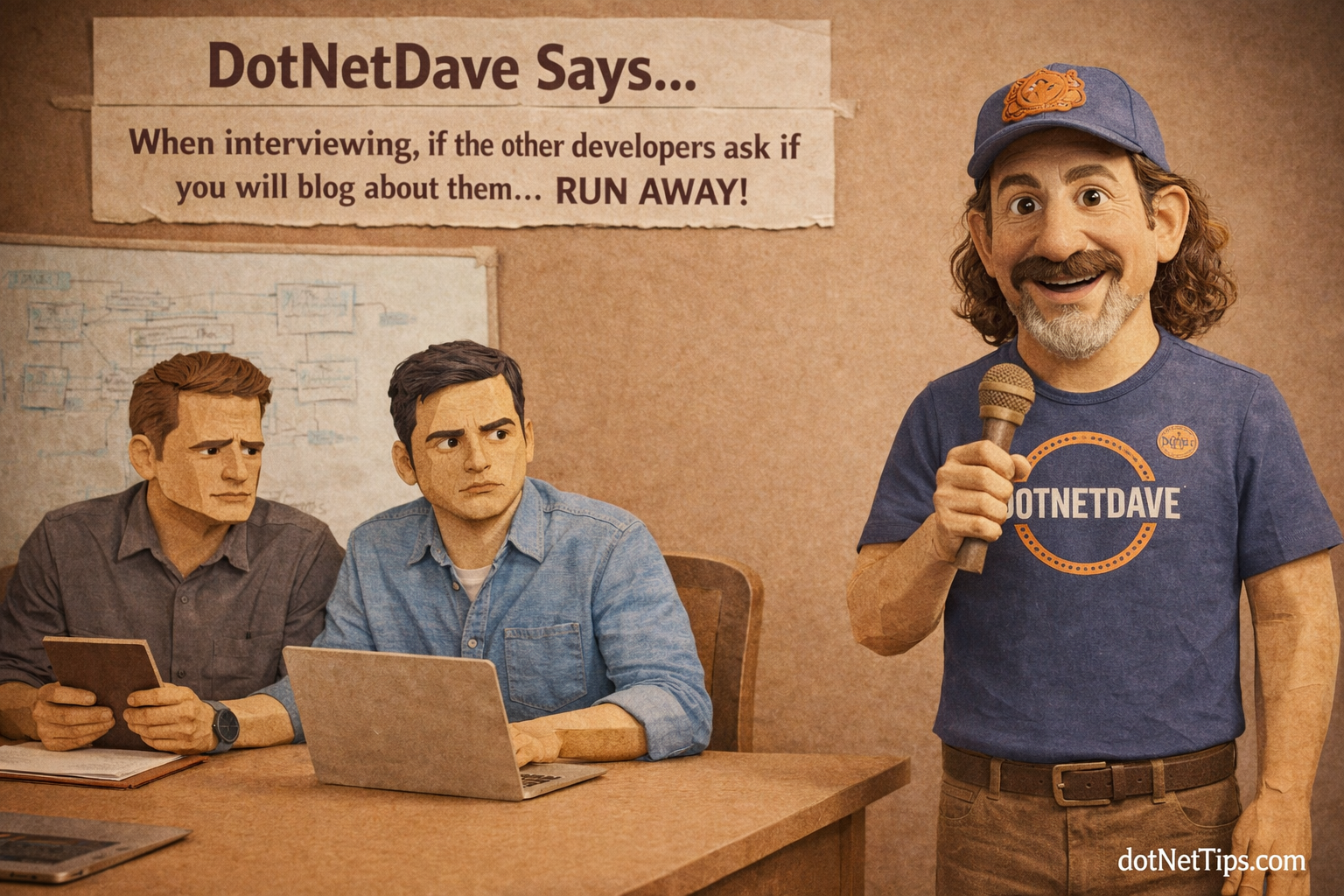
In hindsight, that question should have been a major red flag.
At the time, I didn’t fully understand why a developer would even be concerned about that. Despite the oddness of the question, I accepted the offer and joined the company without digging deeper into the reasoning behind it.
It didn’t take long after starting for the reality to become clear.
The project I was assigned to had no real architecture—or if it did, it certainly wasn’t evident. The design was weak, inconsistent, and felt more like an accumulation of ad-hoc decisions than a cohesive system. There was also little to no managerial support for the project. Direction was vague, priorities constantly shifted, and the team was largely left to fend for itself.
Getting help from other teams within the organization was equally frustrating. Collaboration was difficult, slow, and often met with resistance, making it nearly impossible to move the project forward efficiently.
The situation came to an abrupt and disappointing end when, while I was visiting family in Texas, the company decided to terminate my contract. The decision was handled impersonally and without meaningful communication, which only reinforced my growing disillusionment.
What struck me most was the disconnect. This was a company widely regarded as a leader in the biotech industry—yet behind the scenes, their software development practices were deeply flawed. Those shortcomings directly impacted the quality of the software their customers were paying for.
After my departure, I reflected on conversations I’d had with other developers who had previously worked there. Many of them had shared similar concerns and frustrations. Unfortunately, my experience confirmed that those stories weren’t isolated incidents—they were symptoms of a larger, systemic problem.


Pick up any books by David McCarter by going to Amazon.com: http://bit.ly/RockYourCodeBooks
Make a one-time donation
Make a monthly donation
Make a yearly donation
Choose an amount
Or enter a custom amount
Your contribution is appreciated.
Your contribution is appreciated.
Your contribution is appreciated.
DonateDonate monthlyDonate yearlyIf you liked this article, please buy David a cup of Coffee by going here: https://www.buymeacoffee.com/dotnetdave
© The information in this article is copywritten and cannot be preproduced in any way without express permission from David McCarter.
Discover more from dotNetTips.com
Subscribe to get the latest posts sent to your email.

 dotNetTips.com