One of the most common questions I hear is, “How do I get a job as a developer?” My answer? Build something. Release it. Repeat. The best way to gain experience—especially when you’re just starting out—is to create your own apps or websites and put them out into the world. That’s exactly how I got my start, and it worked.
In the Beginning
I’ve always learned best by doing. So early in my career, I was constantly writing apps at home—solving problems I encountered or creating tools I wished existed. These projects became my informal portfolio. Back then, I’d show up to interviews with a box of floppy disks (yes, I’m dating myself) and demonstrate what I had built. More often than not, when the interviewer explained the job or project they were hiring for, I’d say, “I’ve actually built something like that!” Then I’d run the app, walk them through it, and explain my thought process.
Showing my work in action—however rough it might’ve been—got me hired. Every single time. And no one ever asked to see the source code. They just wanted proof that I could build something real.
One of those early apps was a file transfer utility I named Same<>Same. At the time, I worked in IT support at General Atomics in San Diego and spent lunch breaks teaching myself to program. I needed a way to transfer source code between my work and home computers using floppy disks—this was long before cloud storage or even USB drives.
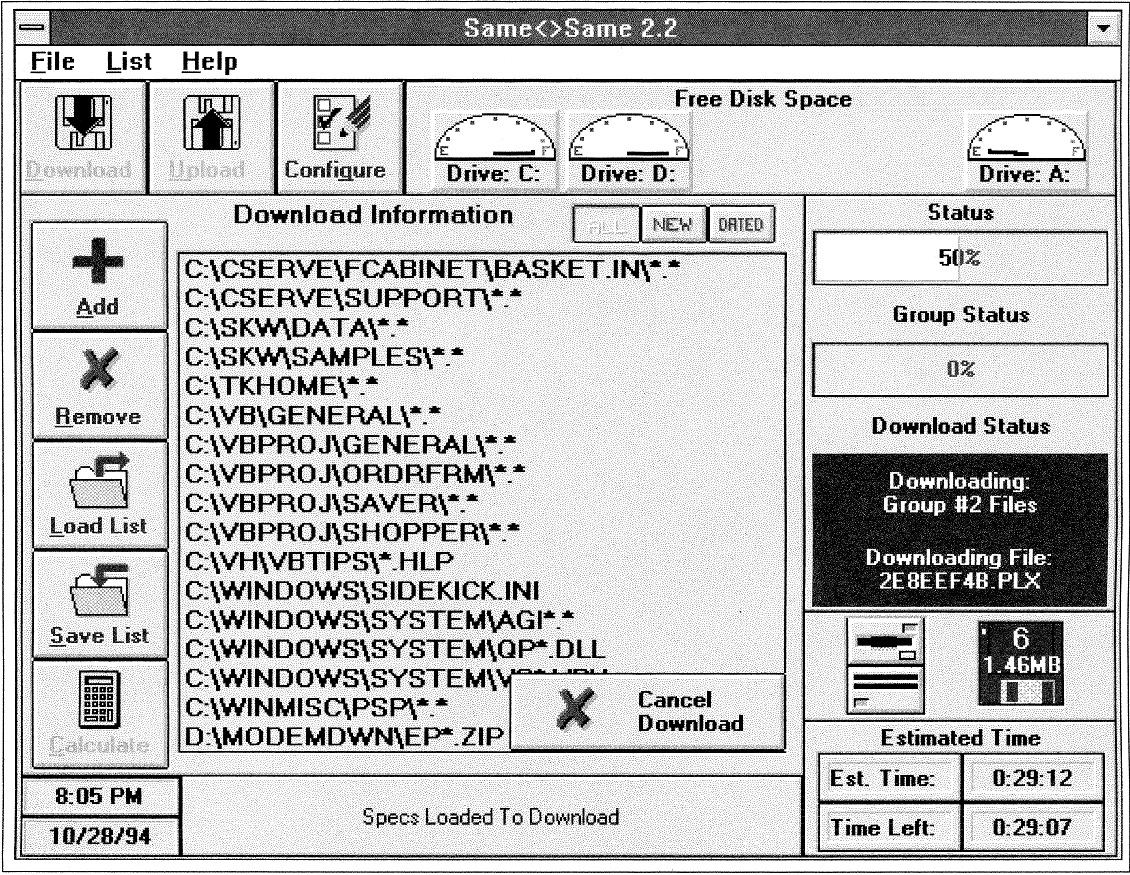
I wrote Same<>Same to solve that problem for myself. Then I thought, Maybe others could use this too. So, I released it on a local BBS (Bulletin Board System—think pre-internet app sharing). That was my second public release, and it gained traction. Eventually, I even started charging a small fee for it ($25).
Pay It Forward
Years later, as a hiring manager, I remembered my own early journey. When interviewing entry-level candidates, I asked them to bring in an app they had built on their own—run it, walk through it, and explain their code. We hired many of those candidates. Their code might not have been perfect (mine wasn’t either at the start), but it gave us a window into how they thought, how they learned, and how they solved problems. It demonstrated what I call the “Spock Mind,” something I explore more deeply in my book, Rock Your Career: Surviving the Technical Interview.
Hard Work Pays Off
In 1995, something amazing happened. PC Magazine discovered Same<>Same and published a review. That was my first national recognition—again, I was still a beginner. Orders jumped from around 10 a month to 10 a day. Suddenly, I had a mini family business on my hands. My (now ex-)wife helped stuff envelopes. My young kids ran a batch file I wrote to duplicate the floppy disks. I did the shipping.
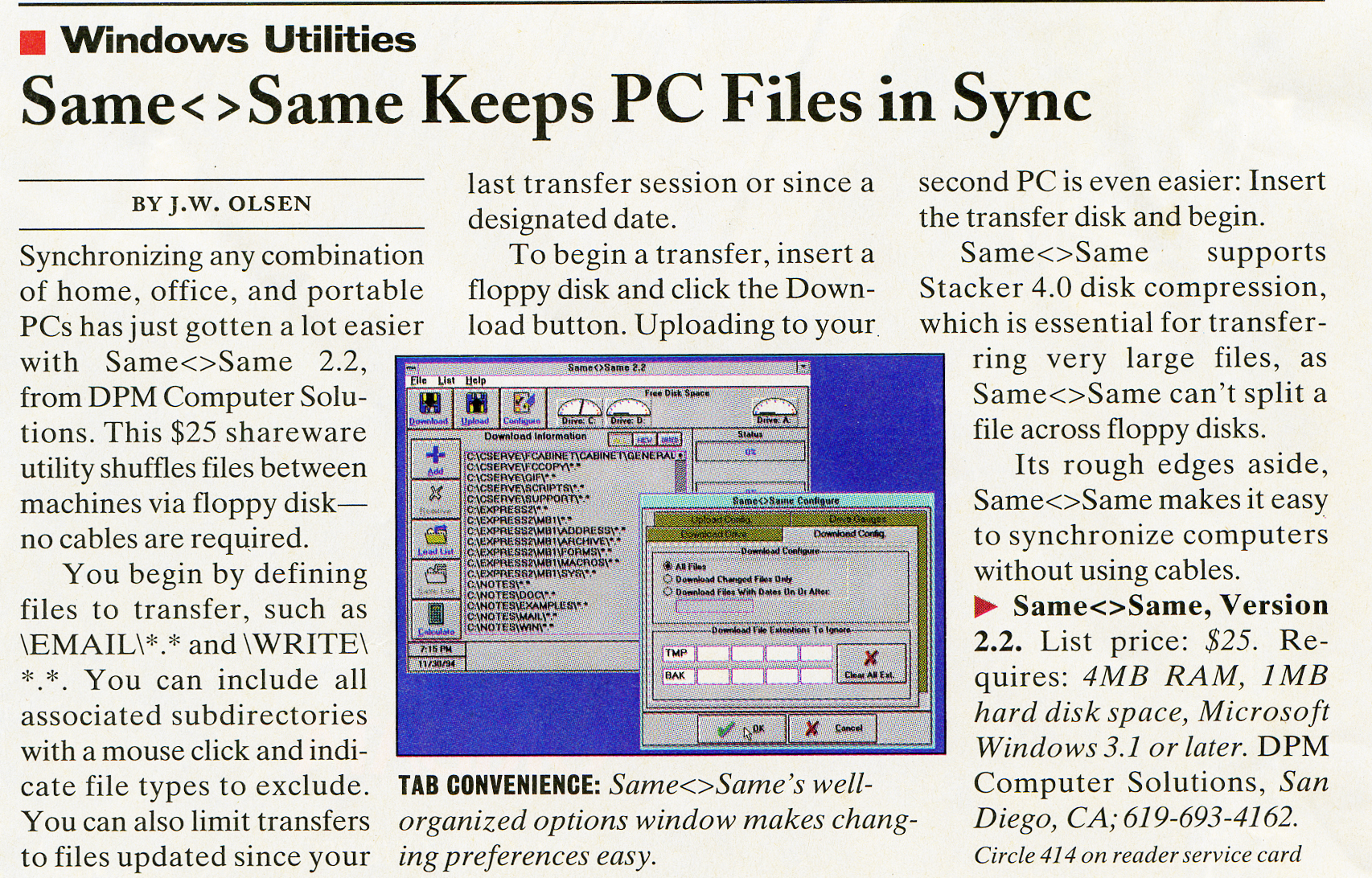
Soon after, I was interviewed by a reporter from CompuServe Magazine and mentioned in Mobile Office Magazine and other newspapers. I didn’t pitch any of these outlets—they found me. And at the time, I had been a full-time developer for just about a year.
The Lessions I Learned
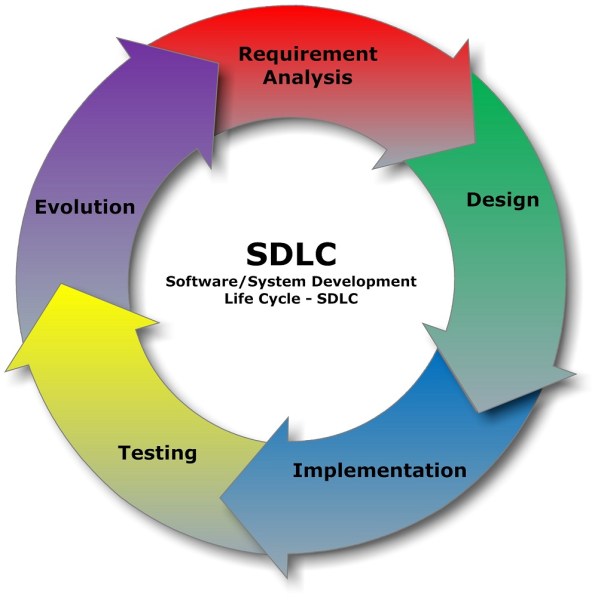
Looking back, I realize how much I learned from the process—not just about coding, but about the entire software development lifecycle. I handled everything: architecture, implementation, customer support, order fulfillment, and maintenance. I was unknowingly building the foundation for my career.
Even though I never earned a formal computer science degree, building and shipping those early apps taught me invaluable skills—skills I still use to this day. Years later, I even began teaching the SDLC to other developers.
Just Start Writing
Here’s my advice to every developer, at any level: Keep building. Always. I’ve been writing software professionally for over 25 years, and I still create apps at home. Right now, I’m working on a free app using Microsoft Azure as part of an article series called Real World Cloud App from Start to Finish. Why? To learn Azure. And also, I’d like to qualify for the Azure MVP award. Learning and growing never stop.
Those early side projects? They helped me land jobs, launch a writing career, speak at major conferences, and more. I had no idea they’d open so many doors.
So, go build something. Anything. Create an app for the app stores. Open-source a tool and publish it on GitHub or NuGet. Don’t do it to “get rich quick”—do it to gain experience, grow your skills, and let your passion lead the way. If you follow through, your future in tech could be brighter than you ever imagined.


Pick up any books by David McCarter by going to Amazon.com: http://bit.ly/RockYourCodeBooks
Make a one-time donation
Make a monthly donation
Make a yearly donation
Choose an amount
Or enter a custom amount
Your contribution is appreciated.
Your contribution is appreciated.
Your contribution is appreciated.
DonateDonate monthlyDonate yearlyIf you liked this article, please buy David a cup of Coffee by going here: https://www.buymeacoffee.com/dotnetdave
© The information in this article is copywritten and cannot be preproduced in any way without express permission from David McCarter.
Discover more from dotNetTips.com
Subscribe to get the latest posts sent to your email.

 dotNetTips.com