If you’re pursuing a career as a software engineer, it’s crucial not to overlook the importance of finding your “Geek Zen” and taking care of yourself. This article will share insights I’ve gained over my years in the software industry, and knowledge I wish I had when starting out. In particular, we’ll be addressing the topic of stress, as being a software engineer can be extremely demanding.
Failing to recognize and manage stressful situations can lead you down unhealthy paths, such as turning to alcohol or other destructive coping mechanisms. It is essential to understand that these methods are ineffective and only serve to exacerbate the stress you are experiencing.
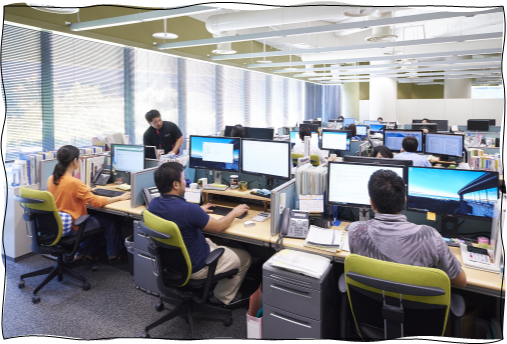
Find a Place You Like Working At!
The key to combating stress is to seek out a fulfilling work environment and a supportive team. However, I have discovered that finding such opportunities can be quite challenging. Throughout my career, I have come across only a handful of companies where I genuinely enjoyed working. My ultimate aspiration is to wake up each morning with a sense of excitement for the day ahead, eagerly embracing the challenges that lie ahead.
Fortunately, the field of software development is currently experiencing a remarkable boom, with a rapidly growing demand for software engineers in the foreseeable future. Therefore, if you find yourself dreading each workday morning, it may be in your best interest to explore alternative job opportunities. By doing so, you will not only be benefiting yourself but also improving the overall atmosphere of your current workplace. In this day and age, there is no valid reason to remain in a stressful job that brings you discontent.
Dealing with Stress at Work
Stress is an inevitable part of life, and much of it tends to arise in the workplace. Here are some strategies I employ to effectively manage stress, which has proven effective for me:
Address work-related stress head-on by either accepting the situation or taking steps to change it. If you have ideas to improve the situation, communicate them to your manager or team lead. In the event that your suggestions are dismissed, you may need to consider accepting the circumstances or seeking opportunities elsewhere.
Find solace in music. Personally, music has a profound impact on my mood. At work, I utilize Bluetooth noise-canceling headphones to create a personal listening experience. It is important to be considerate of others and ensure that your music is not audible to everyone around you. I often listen to music during “code monkey” sessions or when I prefer not to be disturbed by office noise.
If work-related stress becomes overwhelming and begins to affect your productivity (resulting in unexpected issues), it may be best to leave for the day. Persisting in this state does not benefit anyone. There have been instances in my career where everything seemed to go wrong, and yet, when I returned the next morning, everything miraculously fell into place. While I cannot explain this phenomenon, it has occurred multiple times.
Consider seeking a position that allows remote work, as I have found it to be a significant stress reducer. For a while now and especially after the COVID-19 pandemic, there has been no valid reason for employees to be physically present at the company’s location every day. Unfortunately, in Southern California, remote work is not widely embraced, making it challenging to find such opportunities. I am unsure about the popularity of remote work in other areas of the United States or worldwide, but it should be embraced globally. Here are some advantages of working remotely for developers:
No commuting: Commuting can start the day on a stressful note. Working remotely eliminates this issue, saving time, money, and benefiting the environment. Personally, I can go for two to three months without needing to refuel my automobile when working from home.
Healthier eating: Working from home allows for healthier eating choices. Eating out daily is not only expensive but often lacks nutritional value. Preparing meals at home promotes better dietary habits.
Flexibility in working hours: Remote work provides the freedom to choose when to work. If lacking creativity or feel stuck, taking a break to watch TV, read, or exercise can be beneficial. Once the rut passes, work can resume at any time of the day.
Many companies struggle to realize the advantages of remote work for their operations. Here are some benefits companies can gain from employing remote workers:
Reduced overhead costs: If all developers work remotely, companies can save significantly on office expenses. An example is a San Diego-based company that contracts software engineers. They have transitioned to a remote setup, as the developers rarely used the office space, resulting in substantial cost savings.
Increased productivity: When managed effectively, remote workers tend to be more productive. With fewer distractions at home and shorter meetings, companies can extract more output from their developers. Personally, when I started working from home full-time, I discovered I could accomplish five days’ worth of work in just two days. This productivity boost should be a compelling reason for companies to embrace remote work.
Talk it Out With Someone
When stress inevitably arises at work, it can be beneficial to discuss it with someone. However, it is important to find the right person who can truly understand the challenges faced by software engineers. Having a supportive group of like-minded individuals can provide a valuable outlet for sharing work-related stress. Throughout my career, I have personally relied on such a network of fellow geeks to discuss and navigate the pressures of the job.
During my time at a company in the late ’90s, my close friend and colleague and I initiated a recurring event known as “Dave’s Thursday Beer Night.” We even established a website dedicated to it. Every Thursday after work, we would gather at the nearby burger restaurant, Red Robin, as it conveniently had a bar. The event gained considerable popularity, to the extent that the manager of Red Robin even created “Dave’s Thursday Beer Night” polo shirts featuring both our event name and the Red Robin logo. However, over time, the enthusiasm for “Dave’s Thursday Beer Night” gradually waned but I still have my shirt!
Mind and Body
Many software engineers may not be aware that achieving their best potential is not solely dependent on their technical skills but also on the well-being of their mind and body. When I refer to the mind, I am not just addressing the cognitive aspects but also emphasizing the significance of overall mental health. The following topics hold great importance and should be carefully considered.
Lose Weight!
It is true to say that a considerable number of software engineers, particularly in America, struggle with being overweight. Carrying excess weight can have both physical and mental implications, akin to dragging around a boat anchor that hinders your overall well-being. If you find yourself in this situation, I urge you to set aside that pizza and Diet Coke right now! In 2012, I embarked on my own weight loss journey, successfully shedding over 140 pounds. The transformation not only made me feel significantly better but also boosted my energy levels and made exercise more manageable. Additionally, I completely eradicated two serious health issues. While my initial motivation was to prolong my time on this planet to annoy my kids and now grandkids (which remains true), I also came to realize that I did it for myself.
In my experience, exercise played a crucial role in maintaining weight loss, but it was necessary to make substantial changes to my eating habits as well. I transitioned to consuming smaller, more frequent meals, and adopting a gluten-free diet has been instrumental in sustaining my weight loss.
Although I am unaware of any specific “software engineer” diets, I must commend my long-time friend and renowned .NET developer, Carl Franklin, who achieved an impressive weight loss of over one hundred pounds by following the Ketogenic diet. Congratulations, Carl!
The only downside to losing weight is the need to invest in an entirely new wardrobe. Nevertheless, I consider it a small price to pay compared to the significant benefits it brings to both your physical well-being and your Geek Zen. Since 2012, I have donated my old, fat, clothing to Goodwill, a non-profit organization in America.
I am thrilled to share that my successful weight loss journey and maintenance have resulted in the complete eradication of type II diabetes and sleep apnea from my life. Both of these medical conditions can significantly impact one’s health and lifespan, and I passionately believe that my dedication to losing weight played a crucial role in my improved well-being. In fact, I can confidently say that I might not be alive today had I not put in the effort to achieve a healthier weight.
When my doctor diagnosed me with sleep apnea, he shared a poignant story about one of his patients. This individual had sought help for sleep-related problems and, like me, was diagnosed with sleep apnea. Tragically, within a year, she lost her life as a result of this condition. The doctor emphasized the profound impact sleep apnea can have on the heart, explaining that the frequent interruptions in breathing during the night put significant strain on this vital organ. In some cases, these interruptions can occur multiple times per minute, exacerbating the health risks associated with sleep apnea.
Acupuncture
Lately, I have discovered the benefits of acupuncture, and to my surprise, it has proven to be effective in addressing various health issues, including one chronic condition that has plagued me for years. Initially, I had reservations about acupuncture, assuming it was merely a placebo effect. However, I was mistaken. When I mention acupuncture to others, the common response I receive is their aversion to needles. However, acupuncture needles are incredibly small, often barely noticeable upon insertion.
The advantages of acupuncture are numerous. Here are some of those reasons.
Pain relief: Acupuncture is commonly used to alleviate pain, including chronic pain conditions such as arthritis, back pain, migraines, and fibromyalgia. It is believed to stimulate the release of endorphins, which are natural pain-relieving chemicals in the body.
Stress reduction: Acupuncture may help reduce stress and promote relaxation. It has been reported to modulate the body’s stress response by influencing the release of neurotransmitters like serotonin and norepinephrine.
Improved mental health: Some studies suggest that acupuncture may be beneficial for mental health conditions such as anxiety, depression, and insomnia. It may help by promoting the release of neurotransmitters involved in mood regulation and by reducing stress levels.
Enhanced immune function: Acupuncture has been found to have immunomodulatory effects, potentially strengthening the immune system. It may increase the production of natural killer cells, enhance immune activity, and improve overall immune function.
Digestive health: Acupuncture is sometimes used to address digestive issues such as irritable bowel syndrome (IBS), acid reflux, and nausea. It may help regulate the gastrointestinal system and improve digestion.
Allergy relief: Acupuncture has been explored as a complementary therapy for allergies and allergic rhinitis. It may help alleviate symptoms such as congestion, sneezing, and itching by modulating the immune response and reducing inflammation.
For software engineers, it can be particularly helpful in managing stress. Furthermore, it can alleviate minor aches and pains as well as more significant ailments. It can even aid in the recovery of an alcohol-damaged liver.
In my personal experience, acupuncture has completely resolved a longstanding health issue that had plagued me for decades. Although I am generally hesitant to discuss such matters publicly, I believe acupuncture is crucial for the overall mental and physical health of geeks and therefore warrants sharing my story.
For many years, I struggled with severe sinus problems. Each morning, I would wake up with congested sinuses and, more often than not, suffer from excruciating sinus headaches. Over the years, I tried numerous remedies, ranging from Neti pots and powered sinus irrigators (not the most pleasant experience) to prescription medications, including steroids. These symptoms were particularly exacerbated in dry or high-altitude cities such as Las Vegas, NV, and Flagstaff, AZ (where I grew up). Whenever I visited these places, my sinuses would begin bleeding within 24 hours of arrival, accompanied by debilitating headaches that persisted until I left. As a result, I avoided such cities for many years, despite having family residing in one of them.
After receiving acupuncture treatments every two weeks for approximately four months, I woke up one day to find that my sinus issues had completely vanished. I feel significantly better and no longer rely on any medications. Moreover, I can now visit the aforementioned cities, which has allowed me to spend more time with my family there.
Finding an excellent acupuncturist is well worth the investment. I highly recommend scheduling acupuncture sessions at least every two weeks. If you happen to reside in the San Diego, California area, feel free to reach out to me via email, and I will gladly provide a referral to my acupuncturist. As a result, I now have fewer visits to medical doctors. There have been numerous years that my doctor forced me to come in for an appointment, go over my prescriptions and order a small number of blood tests just to make sure I am doing well.
There Is More to Life Than Programming
It is important to remember that there is more to life than programming, a fact that often slips the minds of many developers, including myself in the early stages. Therefore, it is crucial to set aside time each day for activities that bring you joy and are unrelated to programming. Engage in playtime with your kids, plan a date with your loved one, prioritize exercise, or pursue a hobby you enjoy. The possibilities are vast, and the choice is yours.
For me personally, playing the guitar is my ultimate source of solace. Since 1982, I have been strumming the strings and have cultivated a profound love for music throughout my life. Attending concerts whenever possible or within my means is also a significant part of my musical journey. Playing the guitar has the power to instantly uplift my mood even on the gloomiest of days. Given my extensive experience, my goal is to dedicate a minimum of four hours per week to playing, if not more. In fact, I have even created a dedicated website to showcase my passion for music. I hope you will check it out by going to https://heavymetaldave.us.
Queensryche
Aside from guitar playing, photography holds the second spot on my list of beloved activities. Starting from my childhood and professionally since the 1980s, I have pursued photography as a lifelong passion. Over the years, I have been honored with four photography awards, with a specialization in concert photography, a particularly challenging endeavor. I have had the opportunity to capture moments for bands such as Queensryche, Cheap Trick, Eric Johnson, The Cult, Buckcherry, Lit, P.O.D., Steel Panther, Gary Hoey, and many others. You can explore my photography portfolio by visiting the following link: https://mccarterphotography.smugmug.com
During a conference in Delhi, India, I had a memorable encounter that has stuck with me ever since. At the conclusion of my session, a courageous young woman bravely stood up amidst a gathering of hundreds of software engineers to ask me a question. In a culture where women in India tend to be reserved, I admired her bravery. She inquired, “David, you have achieved success as a software engineer, writer, musician, and award-winning photographer. How do you find the time for all these pursuits?”
Creativity is the driving force behind my passion for various activities in life, including software engineering. I firmly believe that each endeavor influences and enhances the others. After explaining this to her, I emphasized the importance of employing effective time management techniques to make these pursuits feasible.
Indeed, software engineering is a highly creative field where we transform ideas into tangible solutions by manipulating zeros and ones. Similarly, writing, music, and photography all involve creative expression, and I find that engaging in these activities fuels my inspiration and enhances my abilities in all areas.
Through careful time management and prioritization, I am able to carve out space for each of these endeavors in my life. By allocating dedicated time slots and setting realistic goals, I strike a harmonious balance between my creative pursuits and professional responsibilities. This allows me to fully immerse myself in each activity and derive joy from the richness they bring to my life.
In essence, embracing creativity and employing effective time management techniques enables me to engage in these diverse activities, leading to a more fulfilling and well-rounded existence.
Disconnecting
Another practice I have incorporated into my routine is a monthly “disconnect weekend.” During these forty-eight hours, I intentionally disconnect from my computers, refrain from programming, and stay off of social media. I limit my phone usage to essential needs only. This intentional break allows me to recharge and rejuvenate myself.
Additionally, I make it a point to embark on a trip at least once a quarter. These trips can take various forms, such as attending conferences as a speaker or exploring nearby destinations like Palm Springs, Santa Barbara, Disneyland, or other captivating places within Southern California. Even booking a hotel for a weekend getaway within your own city can be a refreshing experience.
These excursions provide me with an opportunity to unwind, explore new surroundings, and gain fresh perspectives. By temporarily stepping away from the familiar work environment, I create space for relaxation, adventure, and personal enrichment. These moments of escape contribute to my overall well-being and help me maintain a healthy work-life balance.
Integrating both the “disconnect weekend” and regular trips into my schedule has proven instrumental in preventing burnout, fostering creativity, and ensuring a more fulfilling life beyond the realm of programming.
Last but Not Least, Therapy
Now, let us touch upon a topic that is often considered taboo in many conversations: therapy. I am not referring to physical therapy, but rather mental therapy. In my view, most people can benefit from seeking help, be it for a short period or a longer duration. Based on my experience, I have learned that engineers often exhibit certain common traits that can benefit from therapy. These traits may include, but are not limited to, depression, anxiety, impostor syndrome, attention deficit disorder (ADD), and attention deficit hyperactivity disorder (ADHD), among others.
I recently came across a profound statement: “It takes courage to ask for help.” This sentiment rings true. If you find yourself hesitant, I encourage you to push past your fears. What do you have to lose? Remember, seeking therapy is a private matter, and you do not need to disclose it to anyone unless you choose to.
We all encounter challenges that require us to acquire new tools and coping mechanisms, whether it is dealing with work-related stress, navigating relationships, processing childhood or adult traumas, or numerous other aspects of our lives. If your doctor does not recommend seeing a psychiatrist, I suggest starting with a psychologist. They provide therapy without relying on medication (which can sometimes exacerbate issues), and their services are often more affordable. Be courageous and take that step to ask for help.
That was a substantial amount of information on how to find your Geek Zen. I sincerely hope it has provided you with valuable ideas and insights.
If you have other suggestions on how to find your Geek Zen, please post a comment below.
Discover more from dotNetTips.com
Subscribe to get the latest posts sent to your email.










 dotNetTips.com